
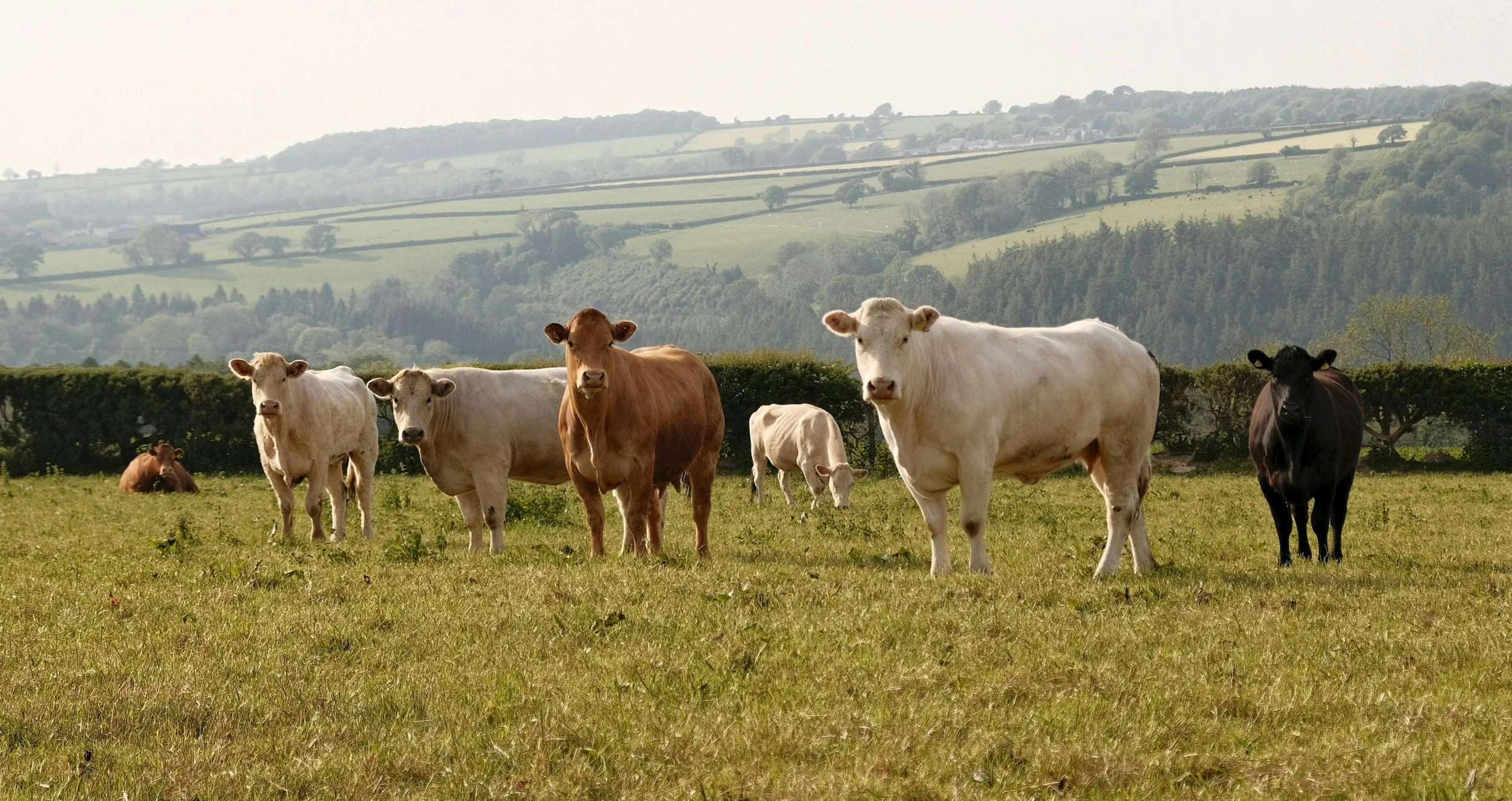
Research and innovation for Europe’s animal breeding sector
FABRE TP brings together breeding organisations, research institutes and universities to set research priorities in farm animal breeding and reproduction, for both livestock and aquatic farmed animals
The European Technology Platform for farm animal breeding and reproduction

The Farm Animal Breeding and Reproductive European Technology Platform (FABRE TP) is a forum led by knowledge institutes and academia collaborating with the private sector. It provides a platform to define research priorities for animal breeding, genetics and reproduction to accelerate the sustainability, competitiveness and resilience of all animal farming systems. The Platform is also active in promoting research and innovation in Terrestrial and Aquatic Breeding and Reproduction.
Key Figures
2005
FOUNDED
26 +
No. of members
2009
Official EU Technology Platform
What we do
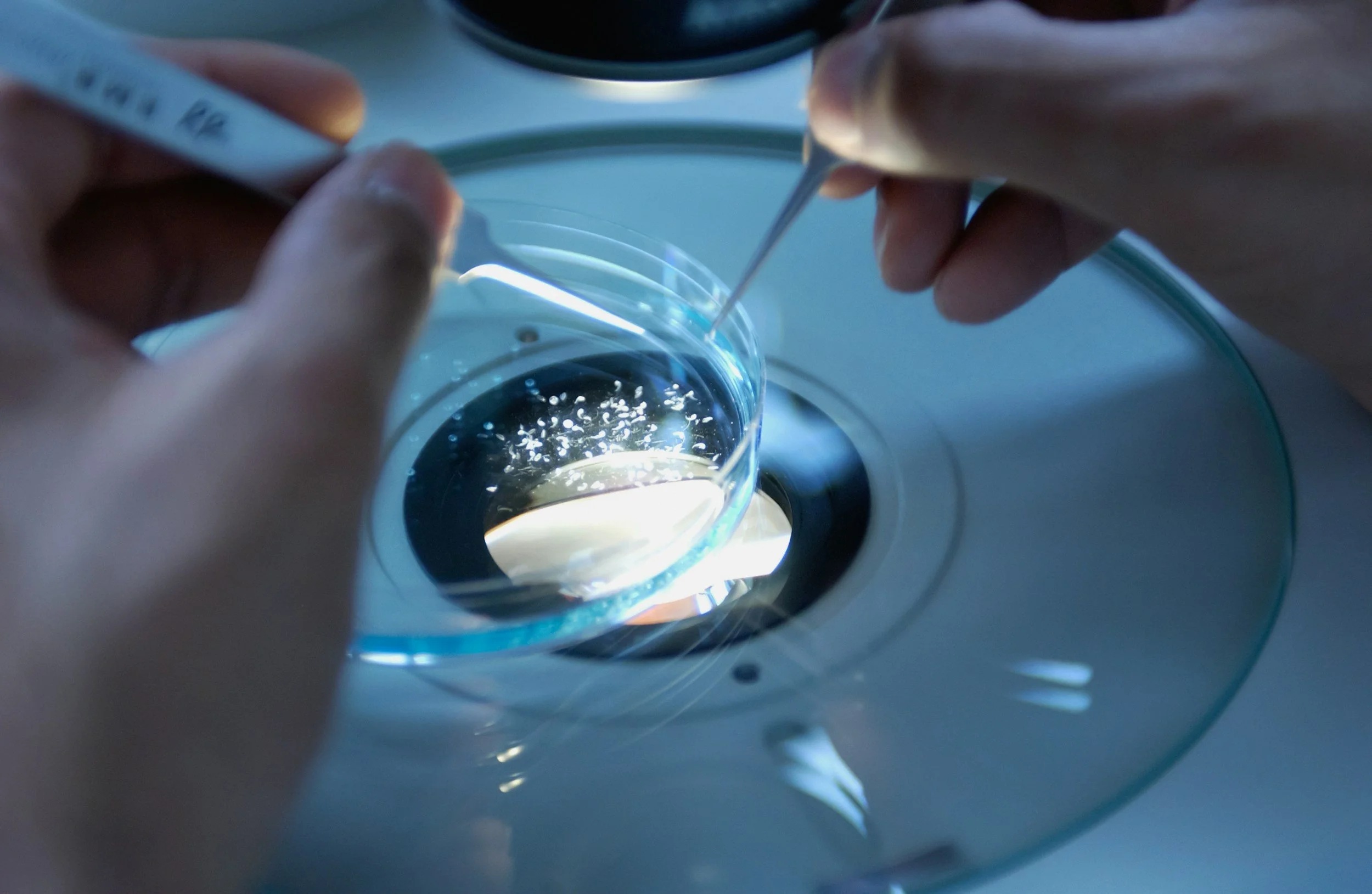
Set research and innovation agendas
We identify the sector’s research needs and set them out in our Strategic Research and Innovation Agenda

Connect research and industry
We strengthen links between knowledge institutes and breeding companies.

Promote and support research
We promote and support research and innovation in farm animal breeding and reproduction, including through EU-funded projects.
Who we are
FABRE TP is the research and innovation platform linked to EFFAB, the European Forum of Farm Animal Breeders. It acts as a bridge between the breeding sector and the research community, so they can share knowledge, collaborate, and advance research and innovation in Europe.
Our members includes:
Breeding companies and organisations
Research institutes and universities
National breeding platforms and associations
Our Members
Our Research Priorities
Our SRIA sets out research needs for terrestrial livestock and aquaculture, including:
Engaging in the Green transition
Tailor and accelerate genetic selection—aligned with local conditions, including diversity in local feed supply —to lift feed efficiency, cut environmental footprints (emissions, nutrient losses), and advance circular-economy practices appropriate to each region.
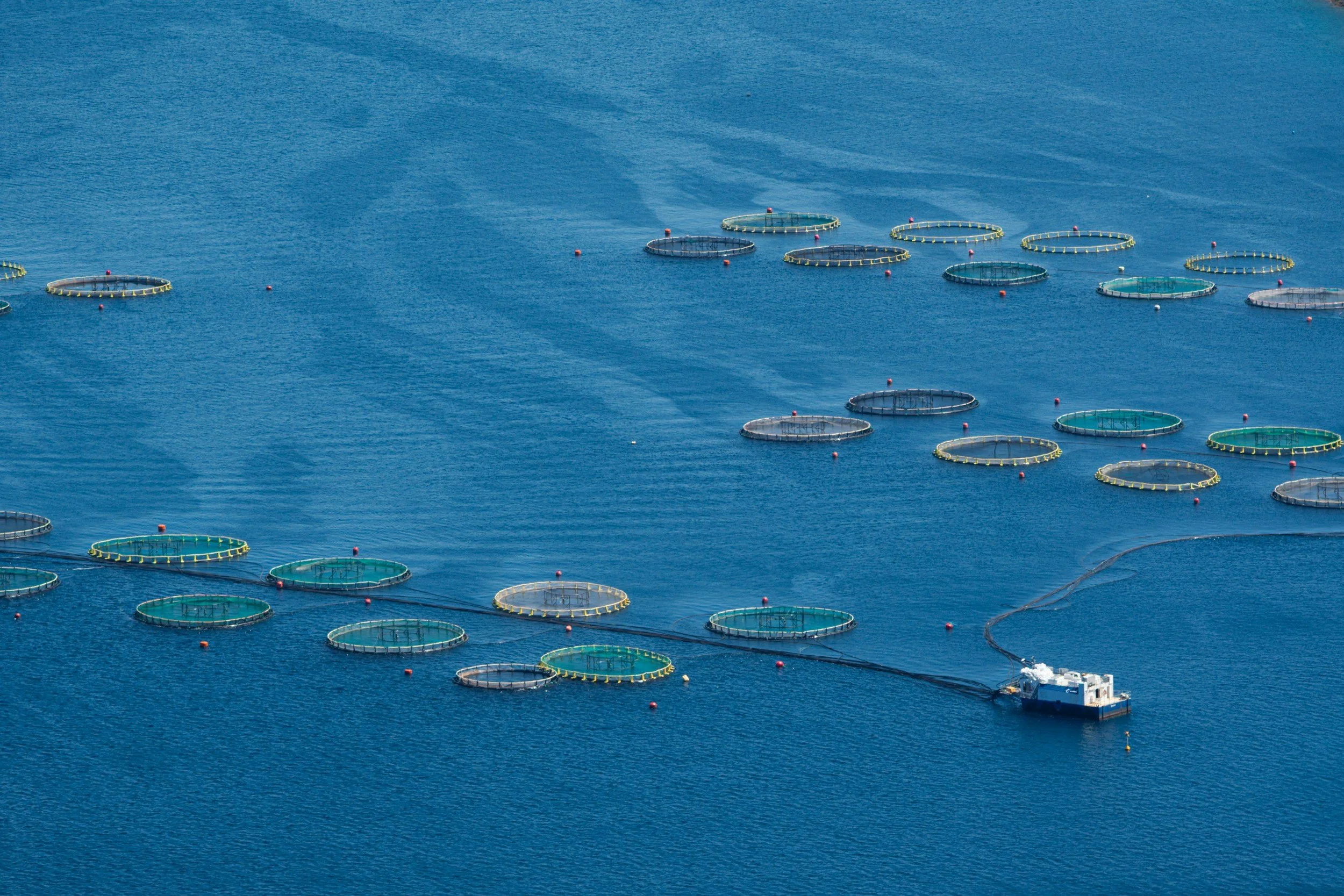
Tailor and accelerate balanced breeding and selection—aligned with local climates, production systems, and health risks—to hard-wire adaptation to climate change and emerging diseases, build robustness/longevity and reproductive efficiency, and safeguard genetic diversity while contributing to biodiversity goals, with proven system-fit performance (G×E)
Building resilience and competitiveness
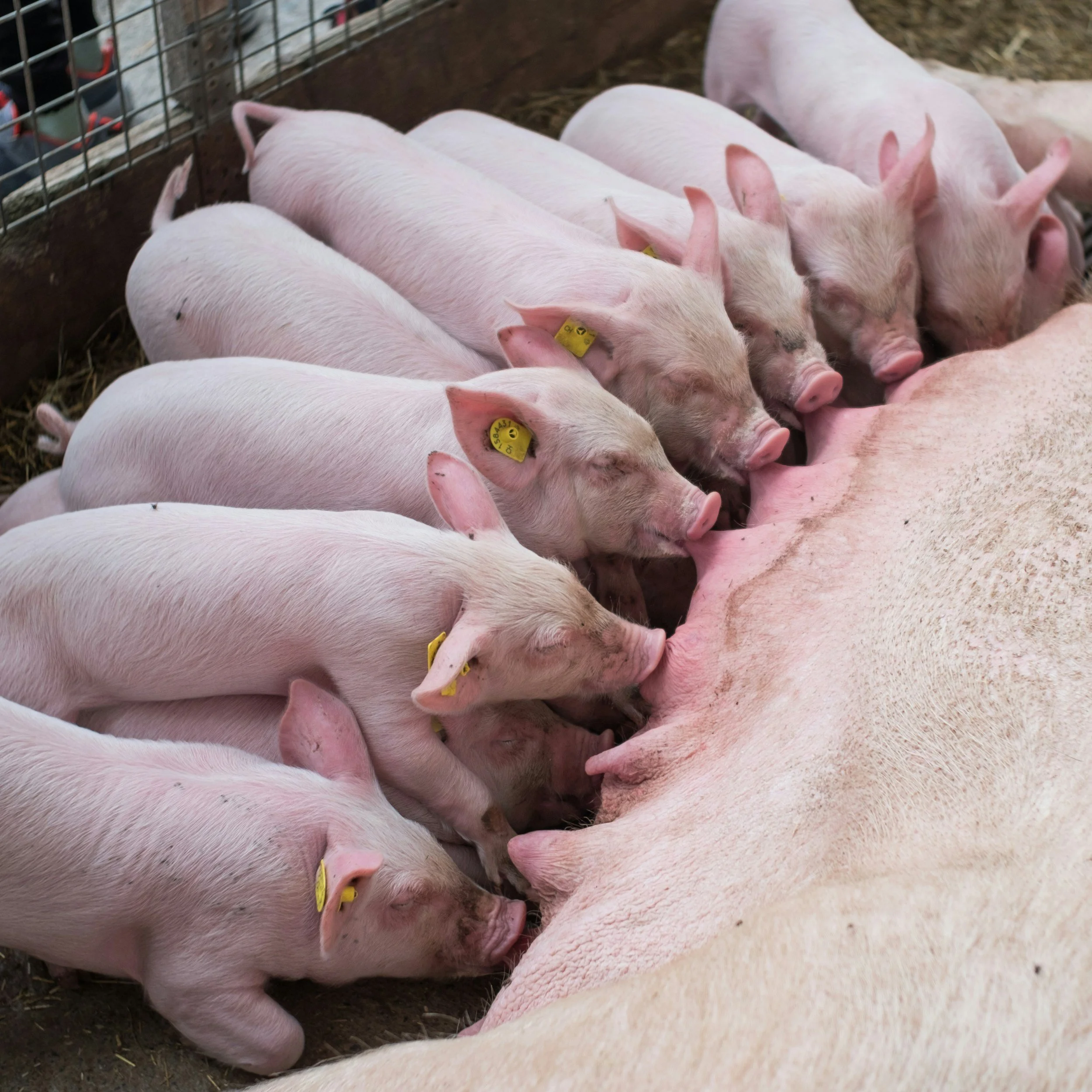
Bridge the gap between balanced breeding innovations, ethics, and societal expectations through welfare-by-design traits, transparent metrics, and the responsible adoption of new breeding technologies. Social acceptance is reinforced when young people see clear pathways to education and careers in breeding and genetics.
Social acceptance and consumer awareness
Advance data management, computational genetics, and cost-effective phenotyping/phenomics (including tools for extensive systems), under interoperable standards that speed responsible innovation across all farmed animal sectors and regions. There is a risk for knowledge gaps to widen as fewer people are trained in this field. Promoting knowledge also means education and training: student numbers in animal (breeding and genetics) science are volatile; we must rebuild the skills pipeline alongside tools and data.
Promoting knowledge and innovation
The priorities are based on input from members and stakeholders across Europe.